Written summary
What failed, parts used, and readings
Refrigerator Gas Leak Repair Decatur GA starts with finding the leak before it ruins your food or your floors. We handle fridge refrigerant leak repair in Decatur, Georgia for Samsung, LG, Whirlpool, GE, and Sub-Zero owners across DeKalb County. If your fridge is warm, hissing, or icing up, call us. We trace the leak, recover the refrigerant, and get your kitchen cold again.
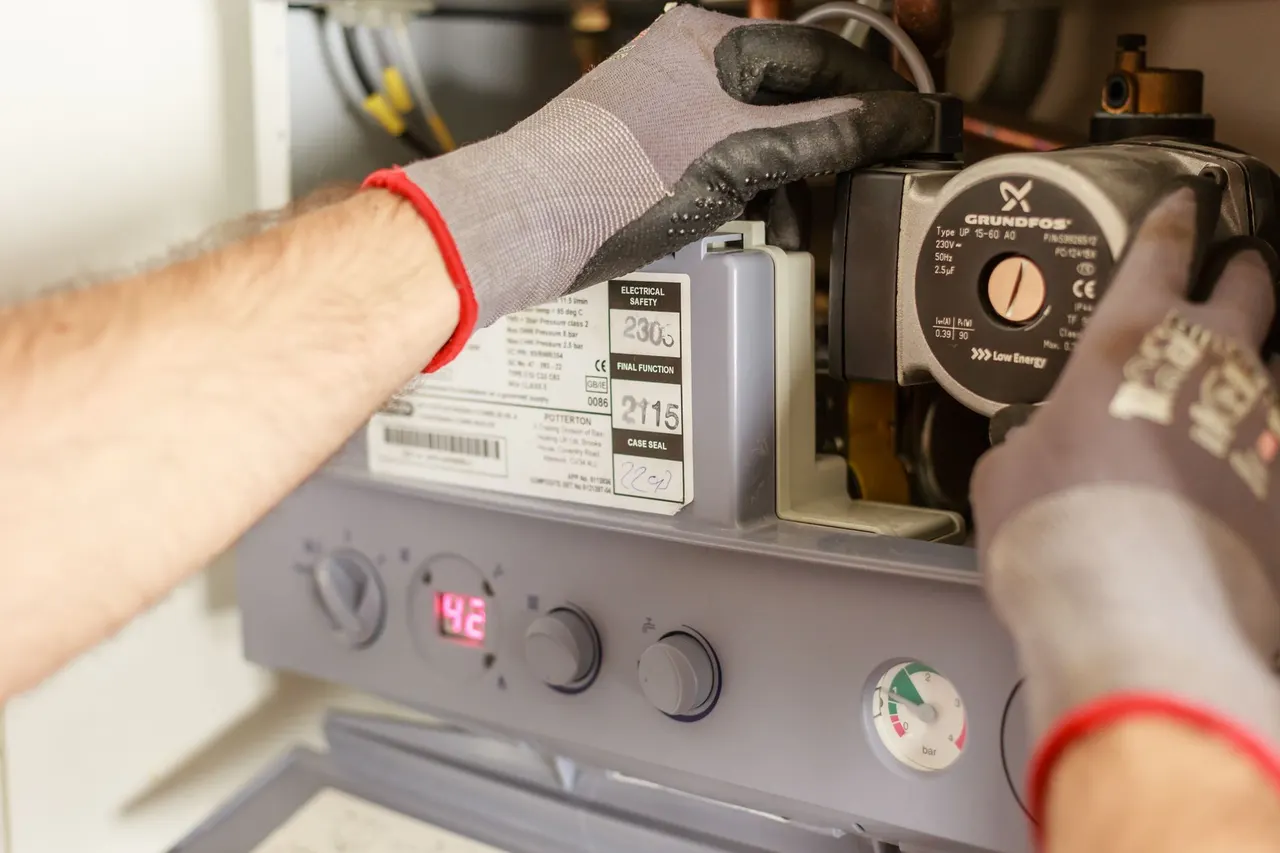
Every leak repair starts with a full diagnosis and ends with a verified temperature. Here is what is covered in a standard visit, and what we quote separately if we find it.
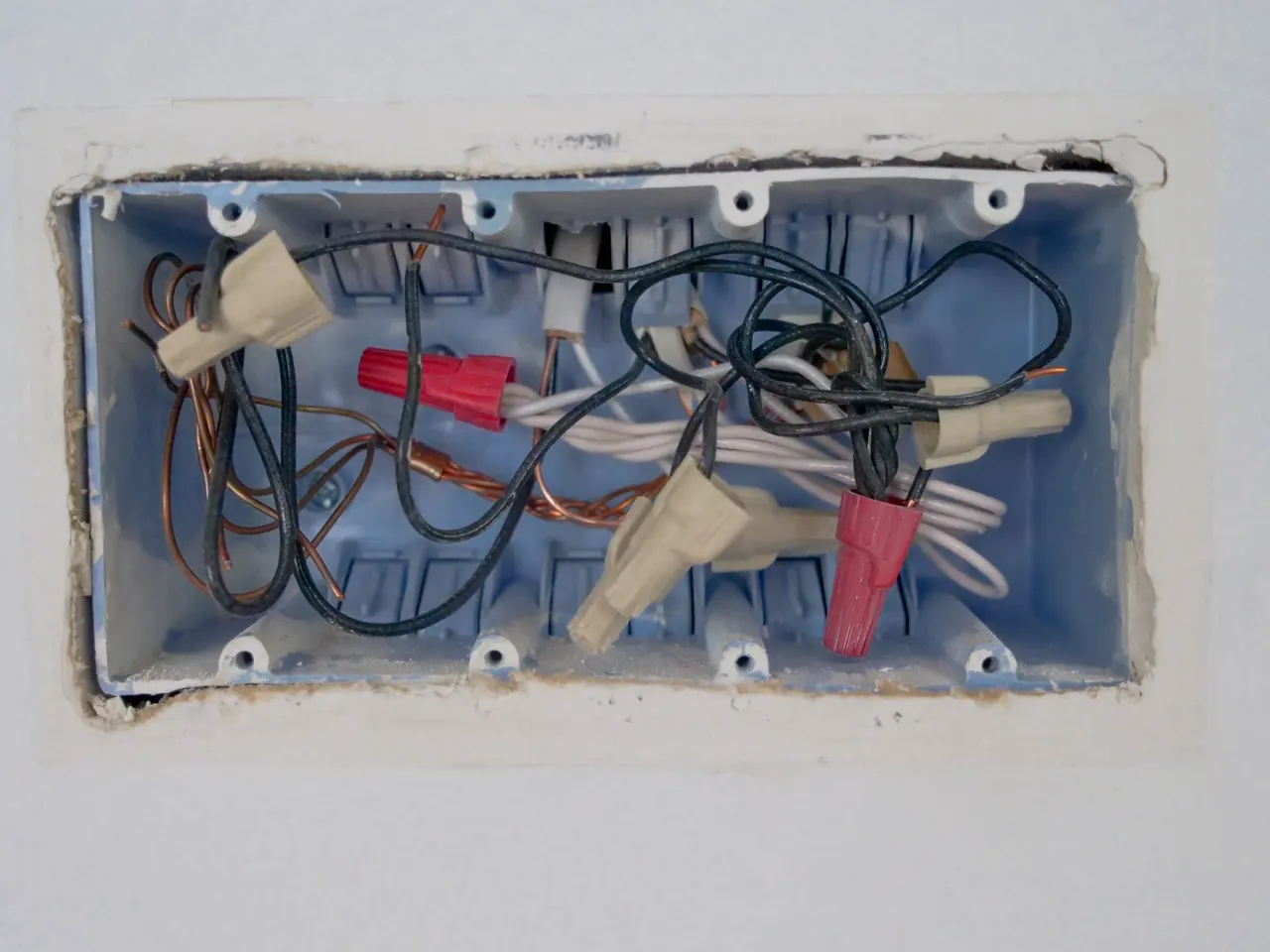

We trace refrigerant leaks in home refrigerators and freezers across Decatur. You get a pressure test, a repaired line, and a verified temperature before we leave.
We repair sealed systems in commercial reach-ins, walk-ins, and display cases for Decatur restaurants and shops. These calls get priority because inventory is on the line.
Refrigerator Gas Leak Repair Decatur GA is the process of locating, containing, and fixing a refrigerant loss in a sealed cooling system so your fridge holds temperature again. Refrigerant does not burn off like water. It escapes through a pinhole in the evaporator, a cracked flare fitting, or a rubbed copper line, and the compressor keeps running hotter trying to compensate. We use a leak detector, manifold gauge set, and vacuum pump to confirm the loss, then repair the line and recharge with R-134a or R-600a to the exact factory charge.
Most Decatur calls start the same way: the freezer still feels cold but the fridge side is warm, or you hear a faint hiss near the back panel. Older homes in Oakhurst and Winnona Park often have 15 to 20 year old refrigerators with original copper lines that have rubbed against the frame for years. If you search Refrigerator Gas Leak Repair near me Decatur GA, you want a tech who can find the leak instead of just adding refrigerant and leaving. We pressure test every repair before we call it done.
Find the leak first, repair it, then recharge to spec. Anything less is a repeat call.
You get a clear sequence from the first phone call to the final temperature check. No mystery, no surprise charges halfway through the job.

We ask what your fridge is doing: warm fridge, cold freezer, hissing, ice maker not working, or water leaking on the floor. Those answers tell us whether you likely have a refrigerant leak or a defrost system failure. You get a window for arrival, usually within a few hours, and a heads-up on what to unplug or empty.
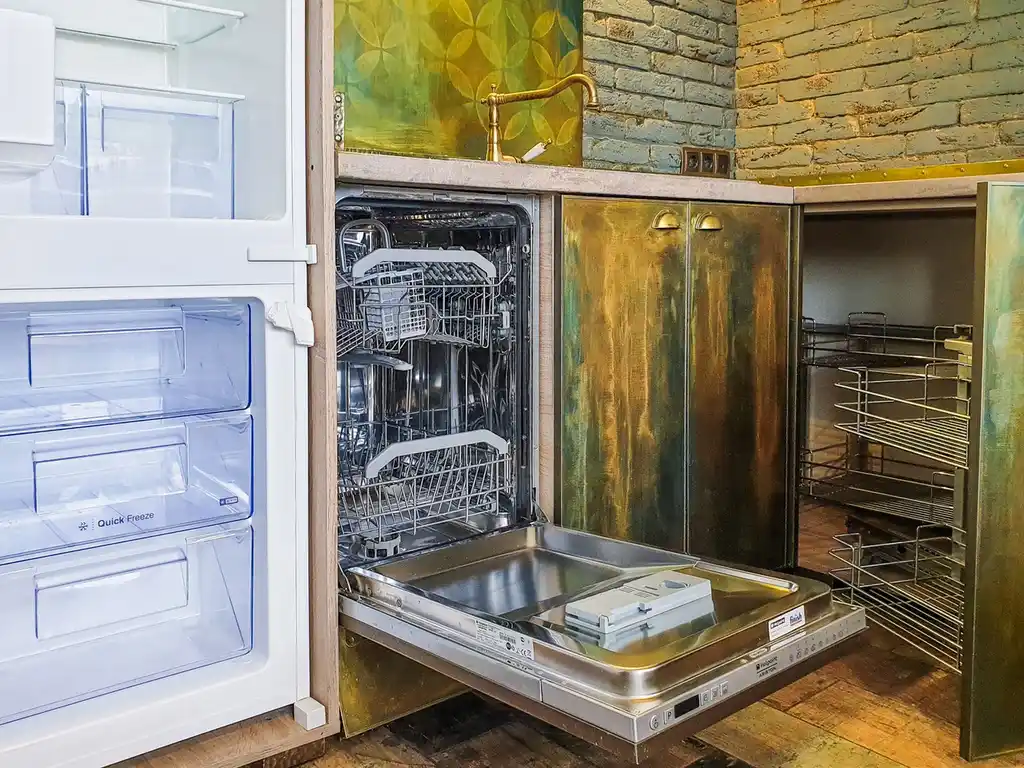
The tech pulls the fridge out, removes the back panel, and runs an electronic leak detector along the evaporator, condenser, and line joints. A manifold gauge set confirms low suction pressure. We inspect the door gasket and door seal leak points too, because a bad gasket mimics a refrigerant problem by letting warm air in.
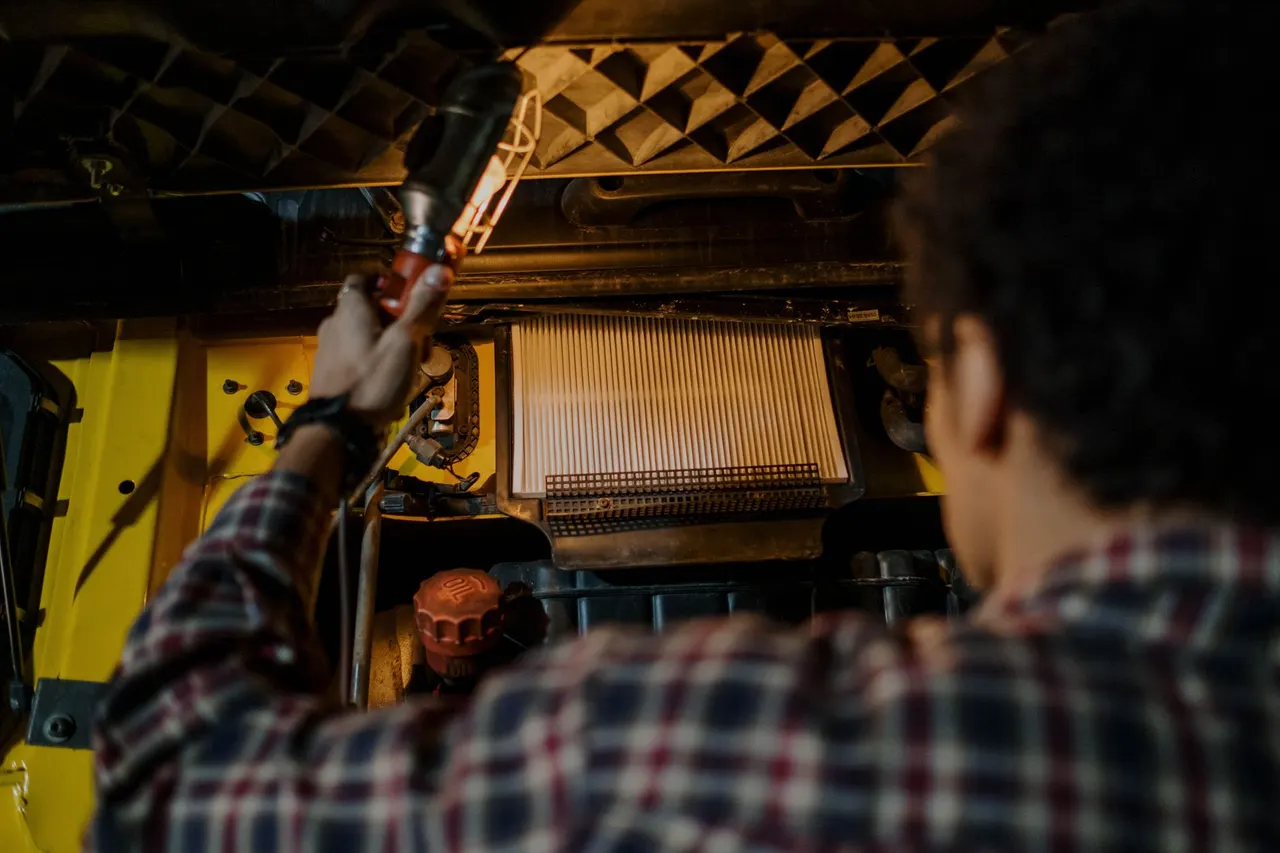
Once we find the leak, we cut out the damaged section with a tube cutter, flare or braze a new joint, and pressure test with nitrogen. Then we pull a vacuum with the vacuum pump and recharge with R-134a or R-600a to the factory spec on the data plate. This step takes one to three hours depending on access.

We let the fridge run and watch the thermometer. The freezer should hit 0 degrees Fahrenheit and the fridge 37 degrees within a few hours. We check compressor amp draw with a multimeter and confirm the defrost heater and fan motor are cycling correctly before we pack up.
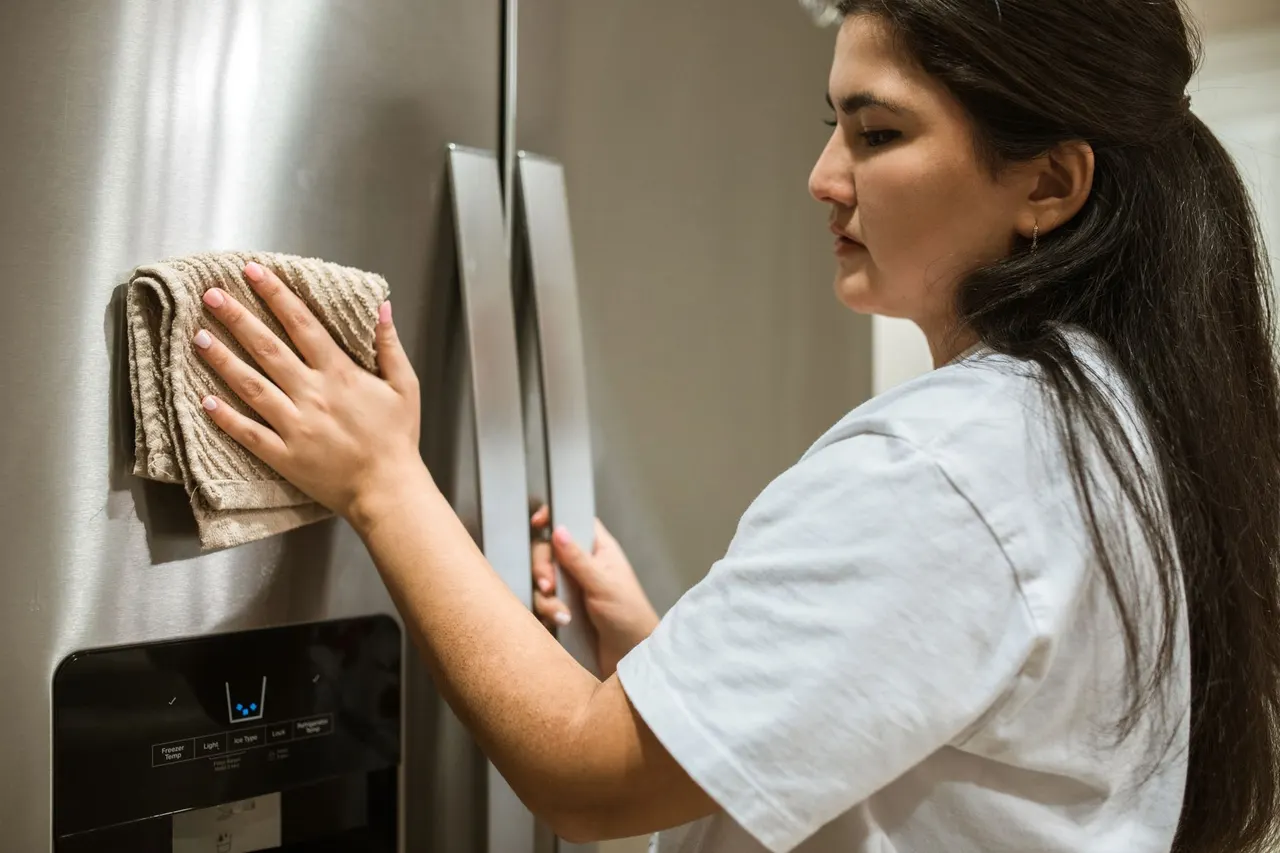
We show you what failed, where the leak was, and how to keep it from coming back. That includes keeping the condenser coils clean with a coil brush, checking the door gasket seal monthly, and not overloading the door shelves. You get a written summary of the repair and the parts used.
Sniffs out refrigerant gas at pinhole leaks in the evaporator, condenser, and line joints. It finds leaks that pressure testing alone can miss, especially slow ones.
Reads high-side and low-side pressure to confirm the system is low on charge. It tells us whether the compressor is still pumping or already damaged.
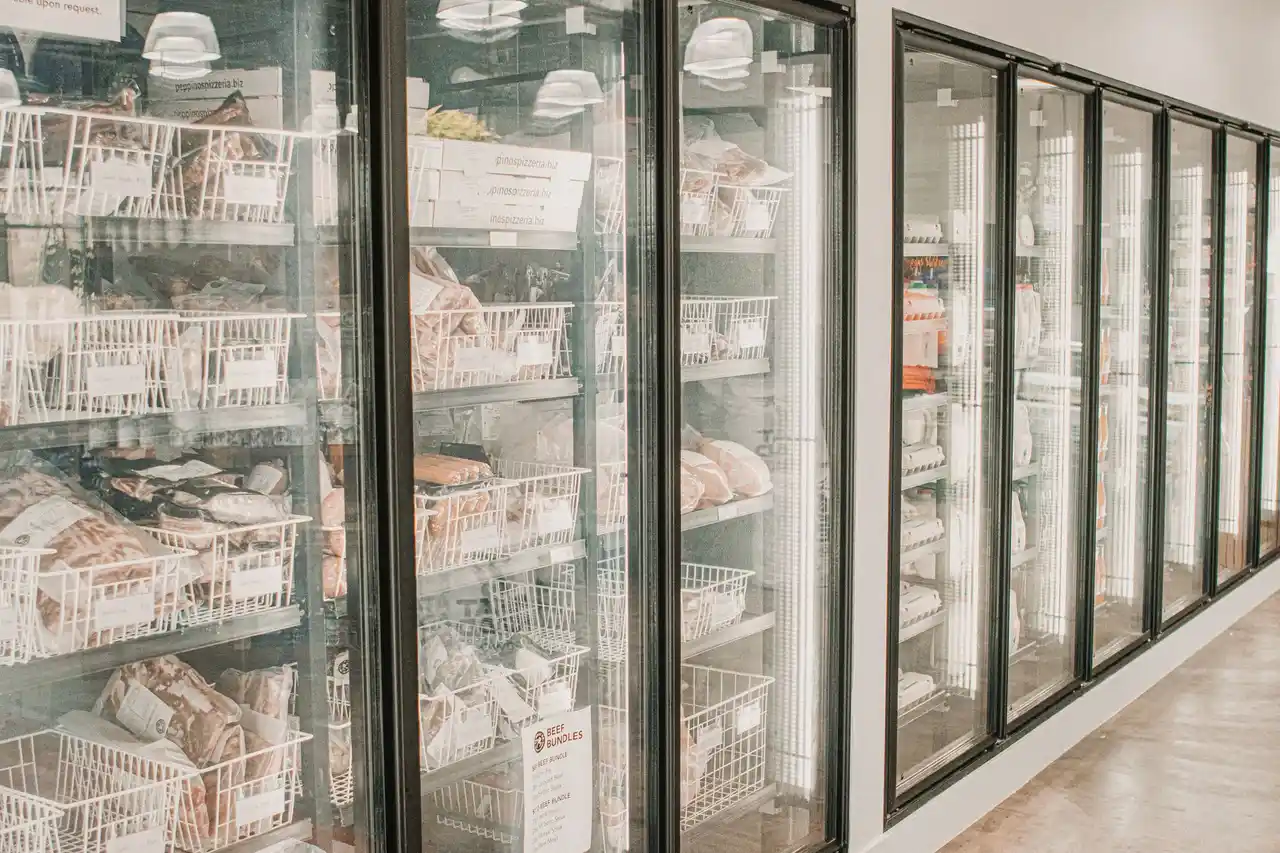
Pulls a deep vacuum to remove moisture and air before recharging. Moisture in a sealed system forms acid and kills the compressor.

Recovers R-134a or R-600a from the system before repair so nothing vents to the atmosphere. Required by EPA Section 608 rules.
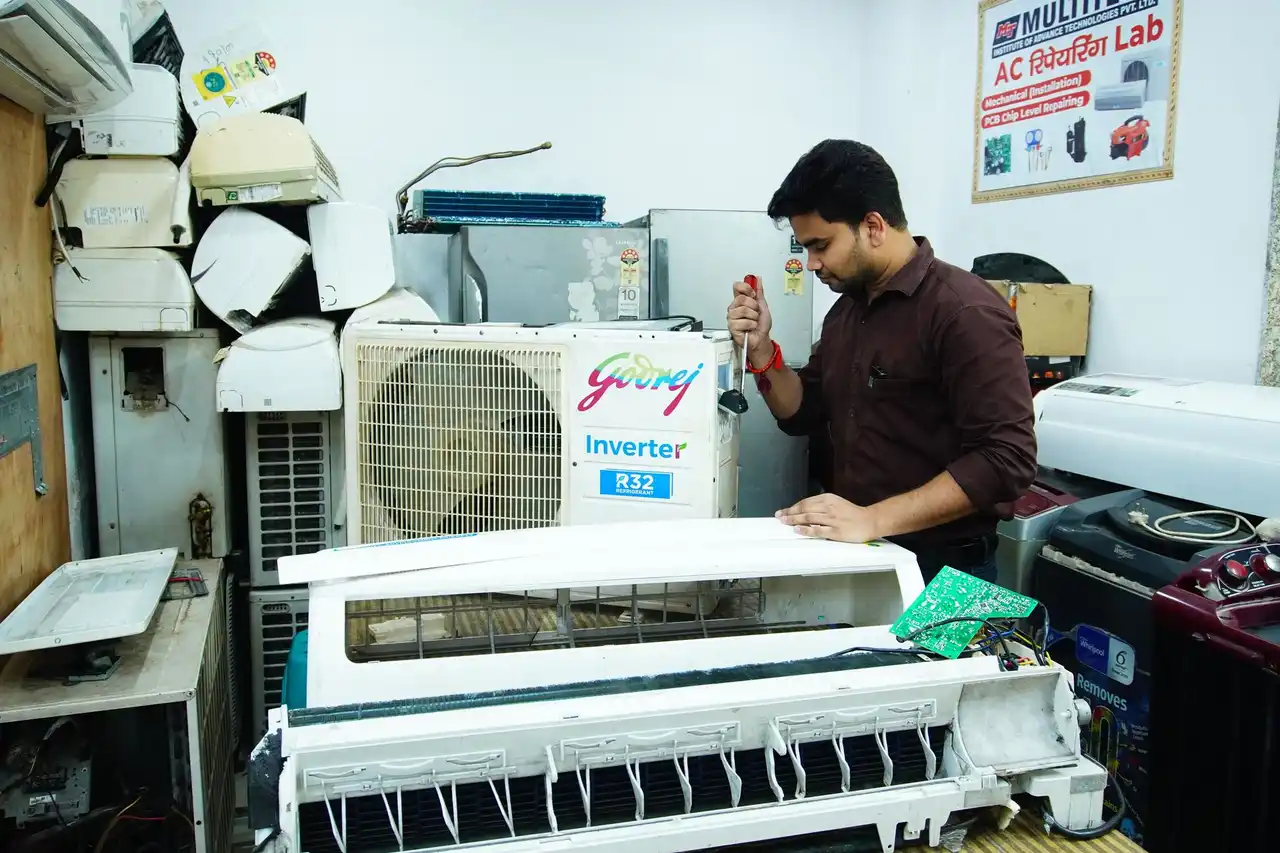
Cuts and forms copper line cleanly so the new joint seals. A ragged cut is where future leaks start.
Brazes new joints on copper lines for a permanent, pressure-tight seal. Used with a heat shield to protect wiring and insulation.
Checks compressor amp draw, thermostat continuity, and control board outputs. It confirms the electrical side is healthy after a leak repair.

We recover all refrigerant before opening the system, then recharge by weight to the factory spec on the data plate. This is both a legal requirement and the only way to get a consistent charge. Guessing the charge leads to repeat failures.
We prioritize holiday-week calls and run a same-day leak trace. The tech finds a cracked flare fitting, repairs it, pulls a vacuum, and recharges with R-134a. We verify 37 degrees Fahrenheit before leaving. The fridge holds temperature through the holiday and the family avoids replacing a full load of groceries.
We coordinate access with the tenant, diagnose the leak, and repair it in one visit. We provide a written summary with refrigerant type, charge, and temperature readings for the property file. The tenant gets a cold fridge, the electric bill drops, and the landlord has documentation for the repair.
We treat commercial calls as priority. The tech traces a leak at the condenser, repairs it, and recharges the system. We also check compressor amp draw to confirm it is still healthy. The cooler is back to temperature in under three hours and the owner avoids a weekend of inventory loss.
We trace the leak, quote the sealed-system repair, and give an honest read on the compressor condition. We explain the cost difference between repairing and replacing the built-in unit. The owner makes an informed decision with real numbers instead of guessing, and the repair holds if they choose to proceed.
Decatur's housing stock ranges from 1920s bungalows in Oakhurst and Winnona Park to newer builds in North Decatur and Druid Hills. Older homes often have refrigerators that have been in place for 15 to 20 years, and their copper lines have rubbed against the frame or cabinet for a decade. That friction is a common leak source. Summer heat and humidity in DeKalb County also make condenser coils work harder, and a dirty coil raises head pressure, which stresses every joint in the system. We see more leaks in July and August than any other month. Georgia state HVAC license rules require refrigerant handling by a certified tech, so we keep EPA Section 608 Certification current and carry a recovery machine on every truck. If you search gas leak repair for refrigerator Decatur, you want a tech who pressure tests before recharging. We do. We also check the door gasket and defrost system on every call because those failures mimic a leak and waste your money if missed.
An LG French-door fridge ran nonstop and held 58 degrees Fahrenheit. The freezer was at 20 degrees. The owner had already thrown out two loads of food and the electric bill had climbed $40 that month.
We traced a rubbed copper line behind the back panel, brazed a new joint, pulled a vacuum, and recharged with R-134a. The freezer hit 0 degrees and the fridge 37 degrees within four hours. Amp draw dropped back to spec.
Keep the condenser coils brushed every six months and leave two inches of clearance behind the fridge. Check the door gasket monthly for gaps.
A Whirlpool top-freezer hissed near the back and the ice maker had quit a week earlier. The fridge was at 50 degrees and the freezer at 15. The owner was ready to buy a new fridge.
We found a cracked flare fitting, repaired it, and recharged the system. The ice maker started filling again the next day and the fridge held 37 degrees. The repair cost less than a third of a new unit.
Do not overpack the door shelves, which stresses the hinges and seal. Replace the water filter every six months to keep flow steady.
A restaurant reach-in cooler lost temperature on a Friday afternoon and was holding 55 degrees. The owner faced a weekend of spoiled produce and a possible health inspection issue.
We prioritized the call, traced a leak at the condenser, repaired it, and recharged the system. The cooler was back to 38 degrees in under three hours. Compressor amp draw tested healthy, so no replacement was needed.
Schedule coil cleaning every quarter for commercial units and keep the door gaskets clean and pliable. Log temperatures daily to catch slow leaks early.
Most Decatur refrigerant leaks show up as one of these five problems. If any of them sound familiar, the sealed system needs a pressure test before the compressor pays the price.

We test low-side pressure with a manifold gauge set. If it is low, we trace the leak with an electronic detector, repair the line, and recharge. The compressor gets a break and your food gets cold again. The compressor never shuts off, which burns electricity and overheats the windings. Left alone for a few months, a $250 leak repair becomes a $600 compressor replacement.

We pull the fridge out, remove the back panel, and trace the sound to the exact joint. Most hissing leaks are at a flare fitting or a rubbed copper line. We repair the joint and pressure test with nitrogen before recharging. That hiss is refrigerant escaping through a pinhole. The system loses charge slowly at first, then fast. You may not notice warm food until the leak is significant.
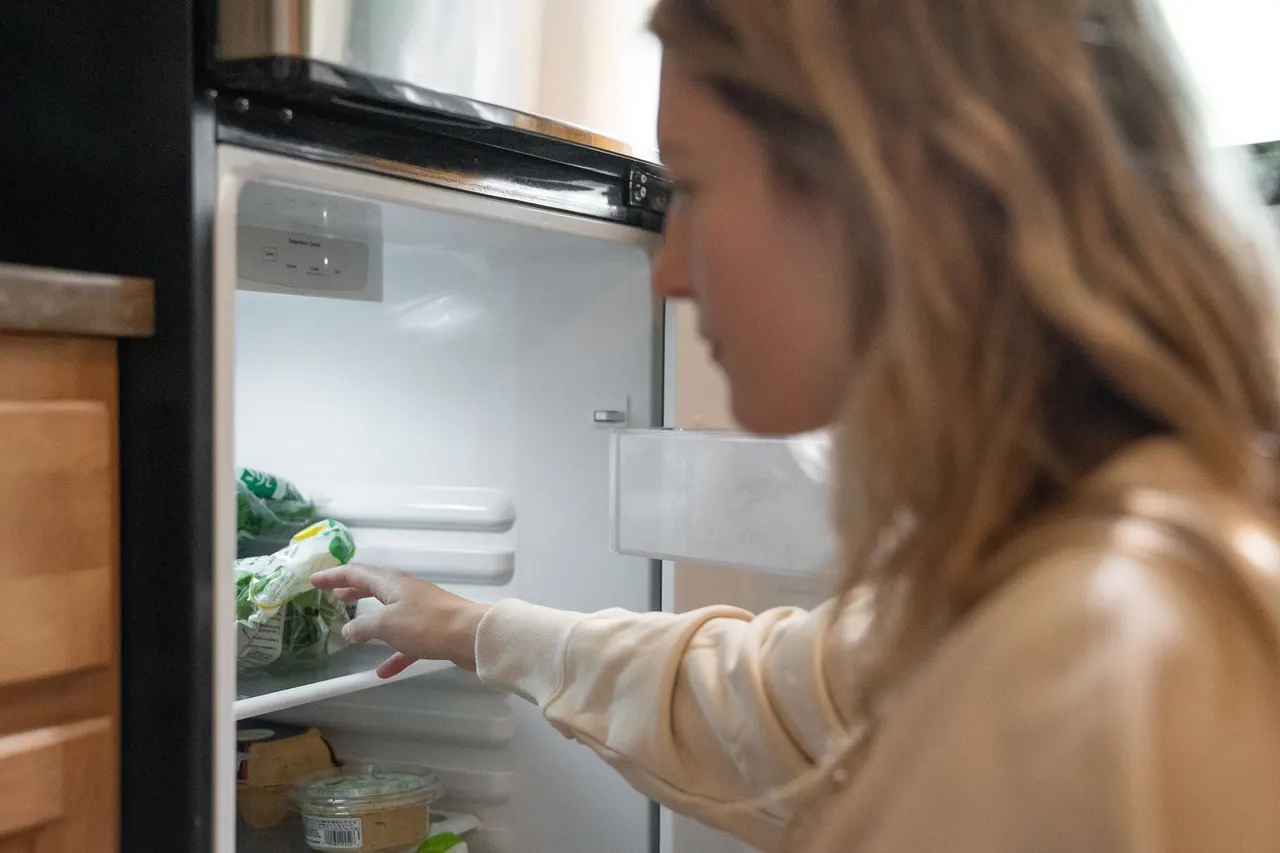
We check the evaporator for even frost and test system pressure. If refrigerant is low, we find and fix the leak. If the coil is iced solid, we repair the defrost system instead. One diagnosis tells you which. This pattern usually means low refrigerant or a blocked evaporator. The freezer holds cold longer because it is the first stop for refrigerant. Ignoring it leads to spoiled food and a harder repair.
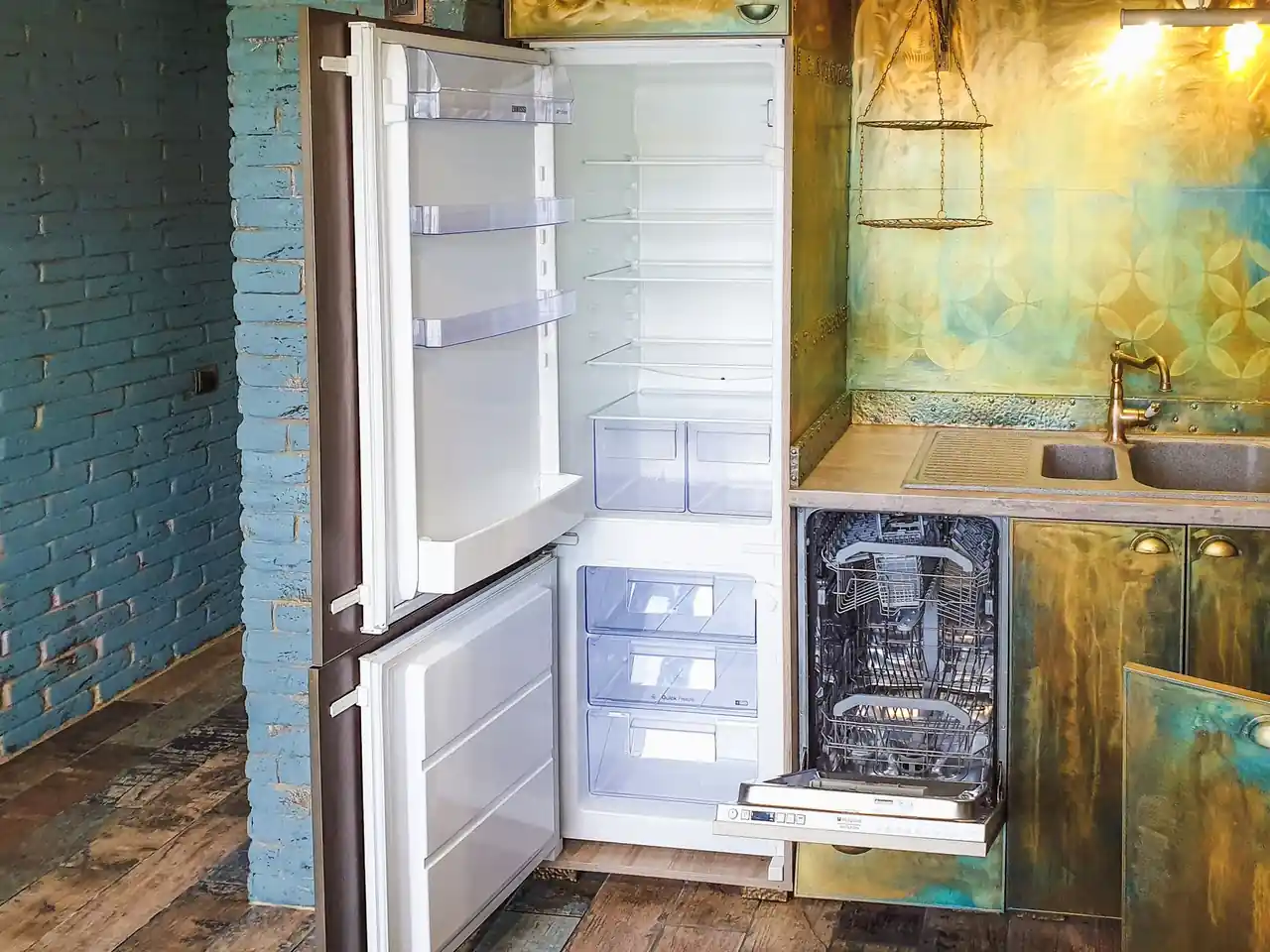
We test the sealed system before replacing the ice maker. If pressure is low, the ice maker is a symptom, not the problem. We repair the leak, recharge, and confirm the ice maker fills and freezes again. The ice maker quits before the fridge feels warm because it needs the coldest part of the evaporator. By the time you notice warm milk, the leak has been running for weeks.

We clean the area and trace the stain to the source. Then we repair the line, pull a vacuum, and recharge to spec. We also check the door gasket and door seal leak points so warm air is not adding to the load. Refrigerant carries oil through the system. When it leaks, it leaves a dark oily stain. That stain marks the leak location, but it also means the system is already low.
We schedule same-day fridge refrigerant leak repair in Decatur, Georgia whenever the route allows, and we carry R-134a and R-600a on the truck. Most leak traces take 45 to 90 minutes with an electronic leak detector and manifold gauge set. You get a straight answer on whether the leak is repairable or the system is done.
A fridge running 15 degrees warm can spoil $150 to $300 of food in a day. We prioritize cooling recovery on every call, so your freezer gets back to 0 degrees Fahrenheit and the fridge compartment to 37 degrees. If a part needs ordering, we tell you exactly how long and what to do with your food in the meantime.
Low refrigerant makes the compressor run continuously, and that is how a $180 repair turns into a $600 compressor replacement. We check amp draw with a multimeter, verify the compressor is not already damaged, and repair the leak before it takes the whole sealed system with it. That is the difference between fixing a fridge and replacing one.
Samsung, LG, Whirlpool, GE, Frigidaire, Maytag, KitchenAid, Sub-Zero, Bosch, and Kenmore all show up on our Decatur route. Each brand routes its lines and charges its system differently, so we match the repair to the model. Built-in Sub-Zero and Bosch units get the same leak trace and recharge as a standard top-freezer.
Clear records you can keep and share.
What failed, parts used, and readings
Nitrogen hold time and result
Freezer and fridge readings after repair
A refrigerant leak does not fix itself, and adding gas without finding the leak is a temporary patch. You should know the difference before you pay.
A system low on charge has a leak somewhere. Recharging without a leak trace means the gas escapes again in weeks. We always find the leak first.
A line repair on a healthy compressor is worth it. If the compressor is already damaged from running low, replacement may cost more than a new fridge. We give you both numbers.
R-134a is common in older units and R-600a in newer ones. R-600a is flammable, so the kitchen should be ventilated if you smell gas. We handle both safely.

Outside these areas? Call and ask, we may still cover you +14702044981
Most Decatur refrigerant leak repairs run $250 to $650 in 2026, including leak trace, repair, vacuum, and recharge. Diagnosis alone is $89 to $149. A sealed-system repair on a built-in Sub-Zero or Bosch can reach $900 because access is tighter and parts cost more. If the compressor is already damaged, we quote replacement separately so you can compare it against a new fridge.
The clearest sign is a fridge that runs constantly but stays warm while the freezer still holds some cold. You may hear a faint hiss, see oily residue on the back coils, or notice the compressor is hot to the touch. Frost on the evaporator that never clears is another sign. If the ice maker not working and the fridge is warm, a leak is likely. We confirm with a leak detector and manifold gauge set.
You need a tech with EPA Section 608 Certification because refrigerant handling is regulated. We handle fridge refrigerant leak repair Decatur GA for Samsung, LG, Whirlpool, GE, Frigidaire, Maytag, KitchenAid, Sub-Zero, Bosch, and Kenmore. We carry a recovery machine and recharge with R-134a or R-600a to the factory spec. Call us and we will trace the leak the same day when scheduling allows.
Modern refrigerants like R-134a and R-600a are not toxic in the small amounts a home fridge holds, but R-600a is flammable, so you should ventilate the kitchen and unplug the fridge if you smell gas. The bigger risk is food safety: a fridge above 40 degrees Fahrenheit grows bacteria fast. We recover the remaining refrigerant safely and repair the leak so the system holds pressure again.
A warm fridge and a hissing noise will not fix themselves. We trace the leak, repair the line, and recharge your system to factory spec, usually the same day. Call now and we will tell you straight whether it is a repair or a replacement.
Call +14702044981 and tell us the brand, model and what your fridge is doing. We book real windows, usually same-day, and text you when the tech is on the way. If you prefer email, send the details to info@refrigeratorrepairexperts.com and we will reply with a time.